


11.000 habitantes, 7 playas de agua cristalina y una iglesia neogótica inacabada


They are Servera, in the northeast of Majorcais much more than the discreet setting of the summer poses of Ana Obregon (71 years old).
This coastal municipality of just over 11,000 inhabitants concentrates some of the most sought-after sands on the island, a old town with Mallorcan flavor and one of the unfinished churches most unique in Spain, already converted into an open-air cultural icon.
The municipal area extends between the rural interior – with the center of Son Servera as the administrative heart – and a seafront that adds up to seven white sand beaches and coves and transparent waters between Cala Millor,Cala Bona,Costa dels Pins and small inlets in the area.
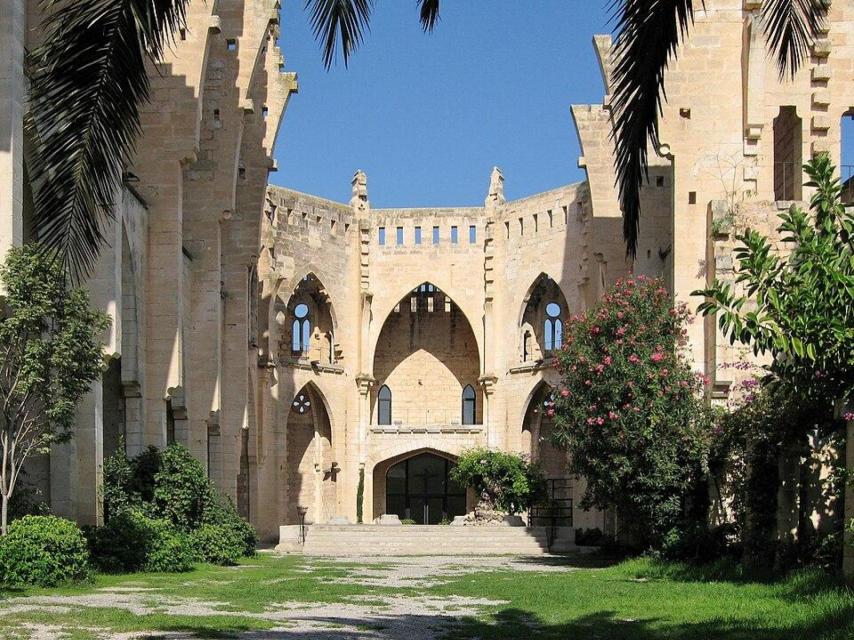
Església Nova, in Son Servera (Mallorca).
Olaf Tausch (Wikipedia).
The ‘new church’ of Son Servera
This duality explains why the municipality combines local life all year round with a strong tourist pulse in summer, when hotels, apartments and second homes They are filled with national and foreign visitors.
In the town, the great emblem is the New Churchthe ‘new church’ of Son Servera: a neogothic temple designed by the architect Joan Rubió i Bellver, disciple and collaborator of Antoni Gaudí, whose construction began in 1905 and was paralyzed 1929 due to lack of funds.
The result is a sacred precinct without a roofwith arches, walls and pointed windows silhouetted directly against the blue sky of Mallorca.
Currently, far from being a abandoned ruin, It has been converted into a cultural space: it hosts concerts, town events, charity dinners and even weddings, taking advantage of its almost theatrical atmosphere.
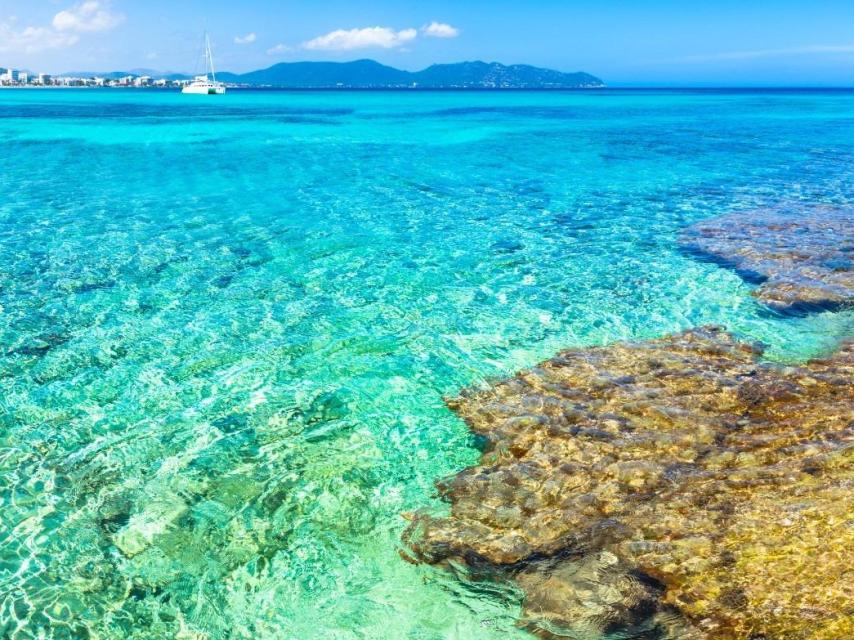
Cala Millor beach, in Son Servera, Mallorca.
@ajsonservera
Crystal clear water beaches
The other great postcard of Son Servera is on the coast. Cala Millor, shared with neighbor Sant Llorenç des Cardassaroffers a long urban beach with clear sand and turquoise waters.
This beach is very appreciated by families and for those who seek all the services on foot promenade.
Further north, Cala Bona retains a somewhat more marine air, with marina, bars and small stretches of beach.
In the exclusive Costa dels Pins, which displays a landscape of pine trees at the foot of the sea, there are quieter coves and high-end homes hidden among the vegetation.
El Manantial, the home of the Obregón family
In this last enclave there is The Springthe family residence of the García-Obregón in Majorca and authentic summer refuge of Ana Obregón for decades.
The house, built by his father and located literally on the sea in the Costa dels Pinssits in a plot of more than 6,000 square meterswith about 1,000 meters built on a single floorseveral en-suite bedrooms and direct views of the bay of Cala Millor.
For almost half a century it has been the scene of the traditional summer inns from the presenter – first with her son Aless and now with his granddaughter Ana Sandra (3) – and the place that the actress refers to as her great emotional refuge on the island.

Ana Obregón is honest about the sale of ‘El Manantial’: «I doubted it, but my brothers didn’t and we have to respect that. It will be hard»
Beyond the church open to heaven and the media image of The SpringSon Servera offers a small urban helmet of quiet streets, squares where the weekly market is held and bars where the tourist still mixes with the lifelong neighbor.
From there, in a few minutes by car or even by bicycle, you can reach the entire range of beaches in the municipality and are linked to routes to the Serra de Levante, which makes this corner a strategic point to combine sea, interior and rest.
In short, the town where Ana Obregón spends her summers is a Majorcan municipality that condenses interesting attractions of tourist interest in a relatively small space.
Its greatest charms? Seven white sand beachesa unfinished neo-gothic church that looks at the sky and a beautiful pine and rock coast where one of the best-known – and at the same time most protected – houses in the Spanish pink chronicle is hidden.
Puedes consultar la fuente de este artículo aquí